select your style
choose your scheme
color scheme

select your style
choose your scheme
color scheme
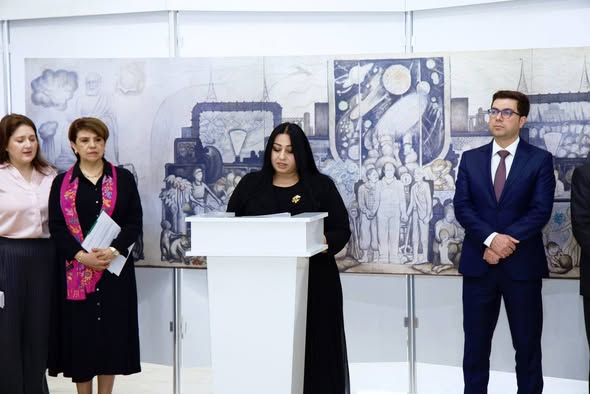
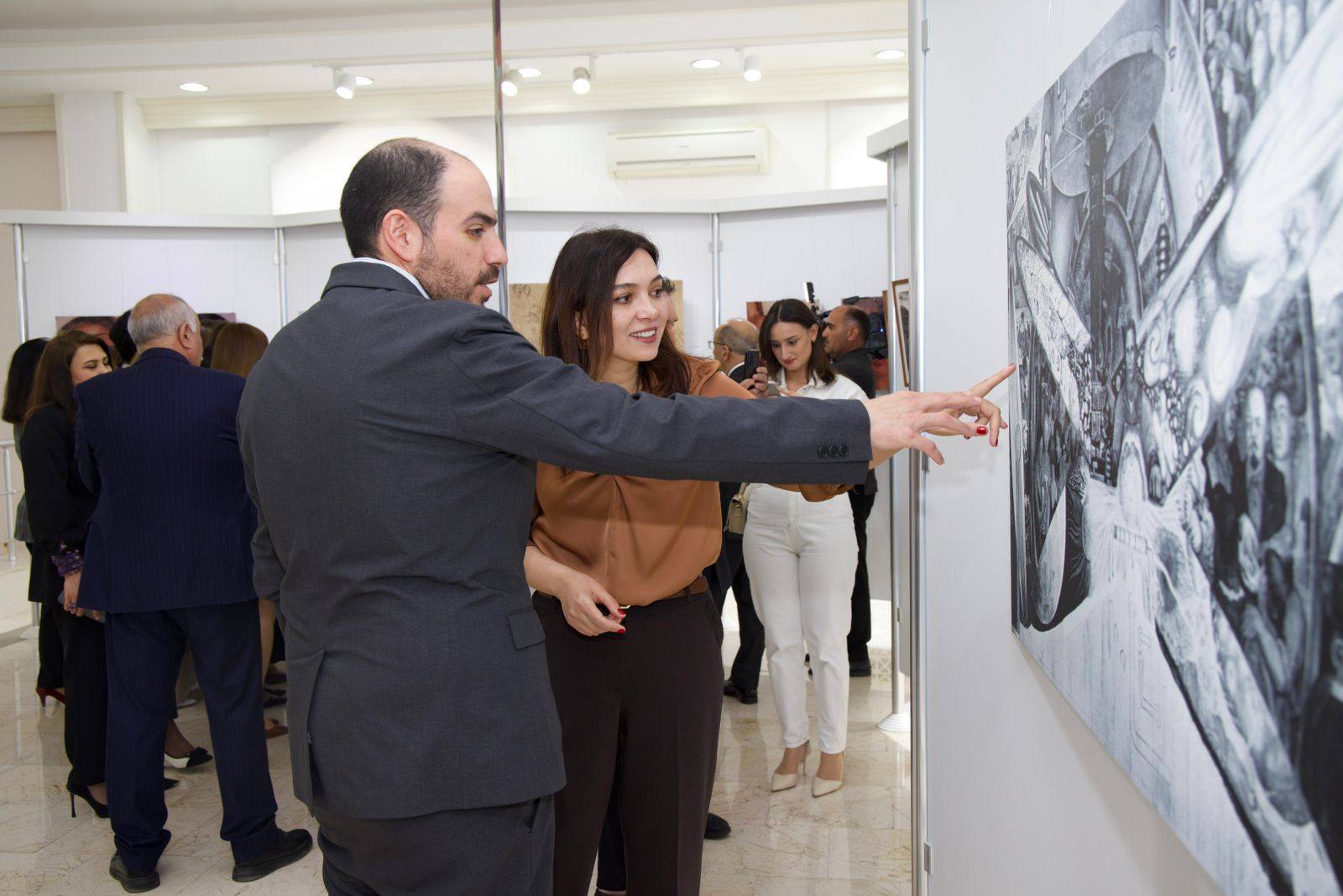
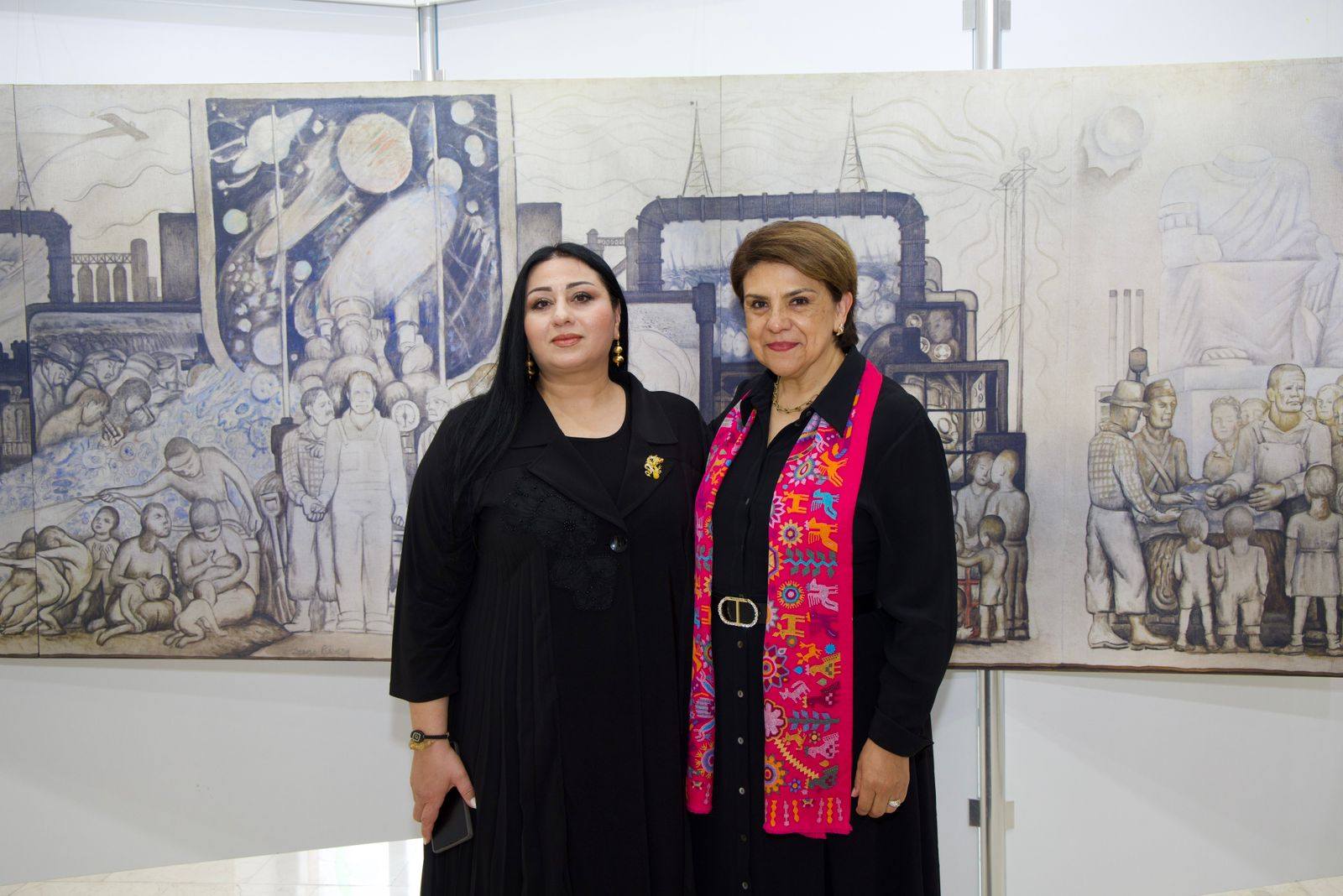
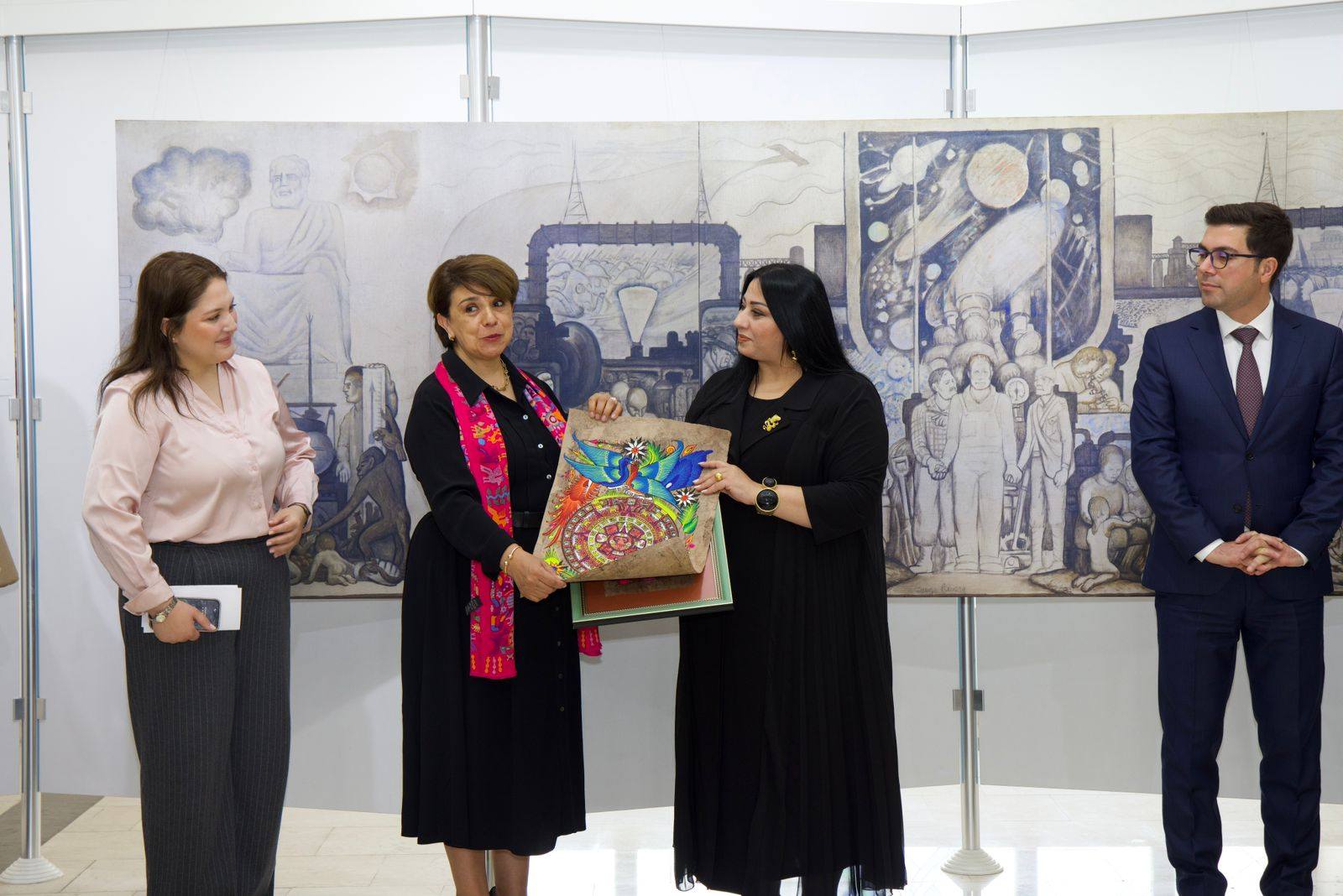
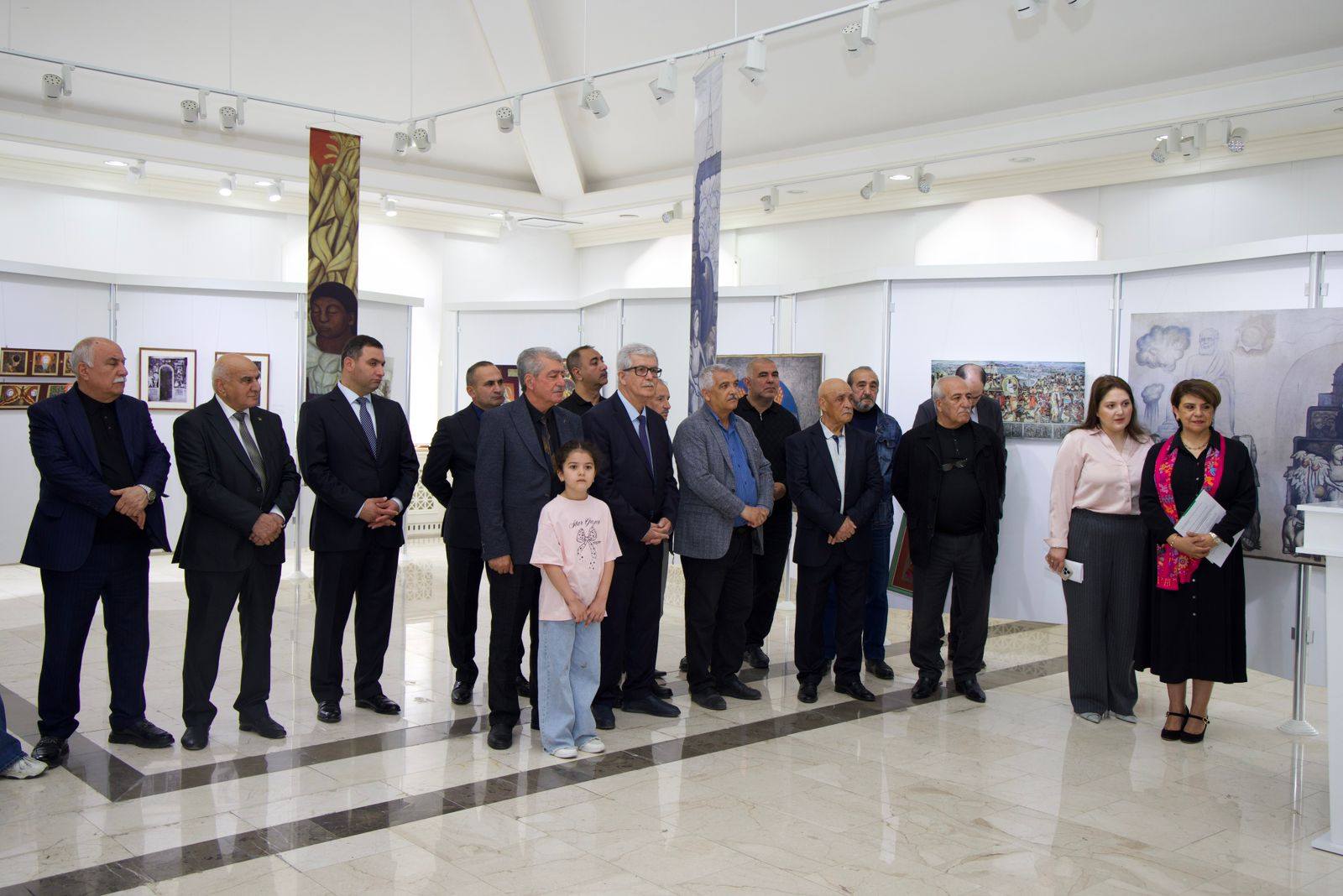
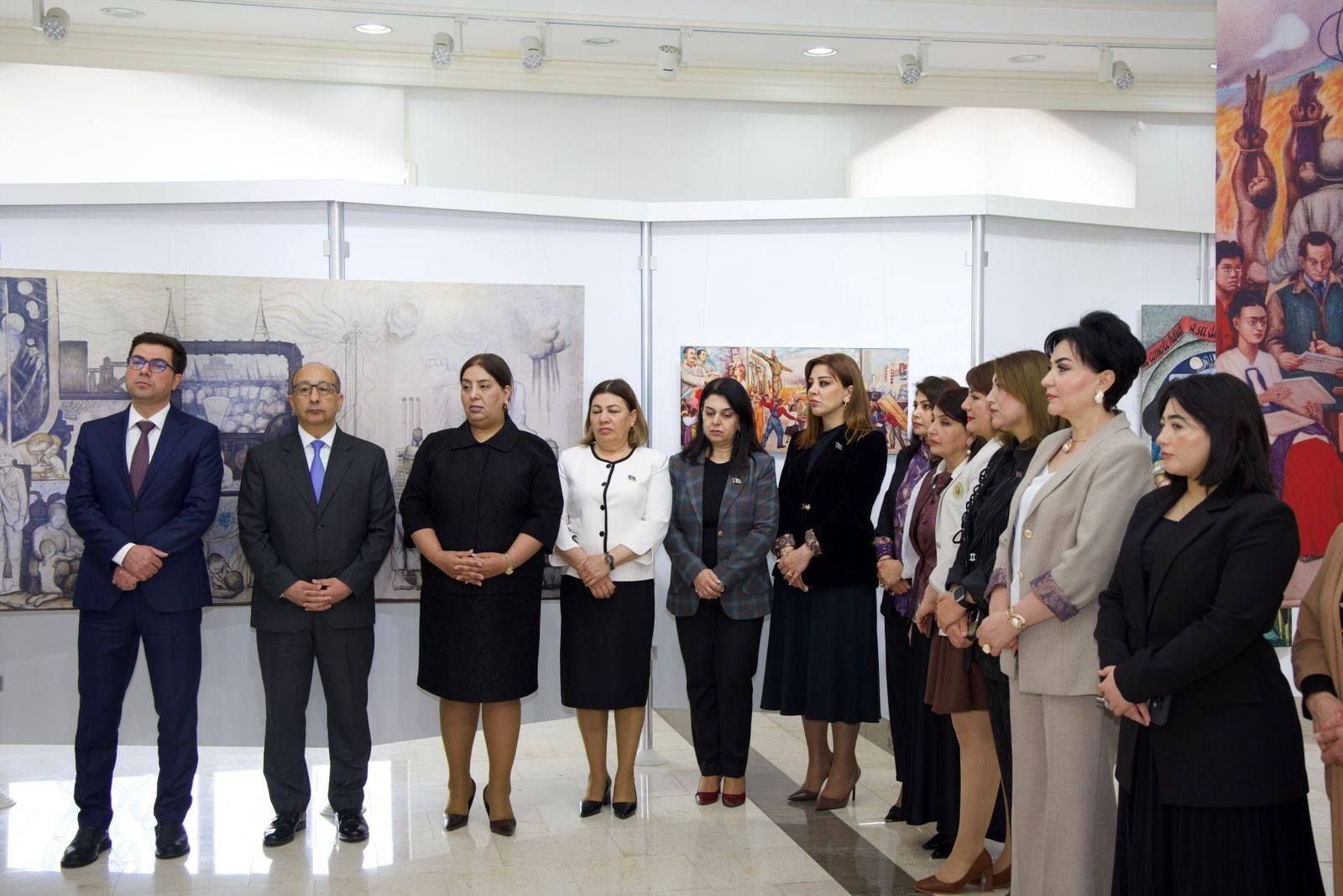
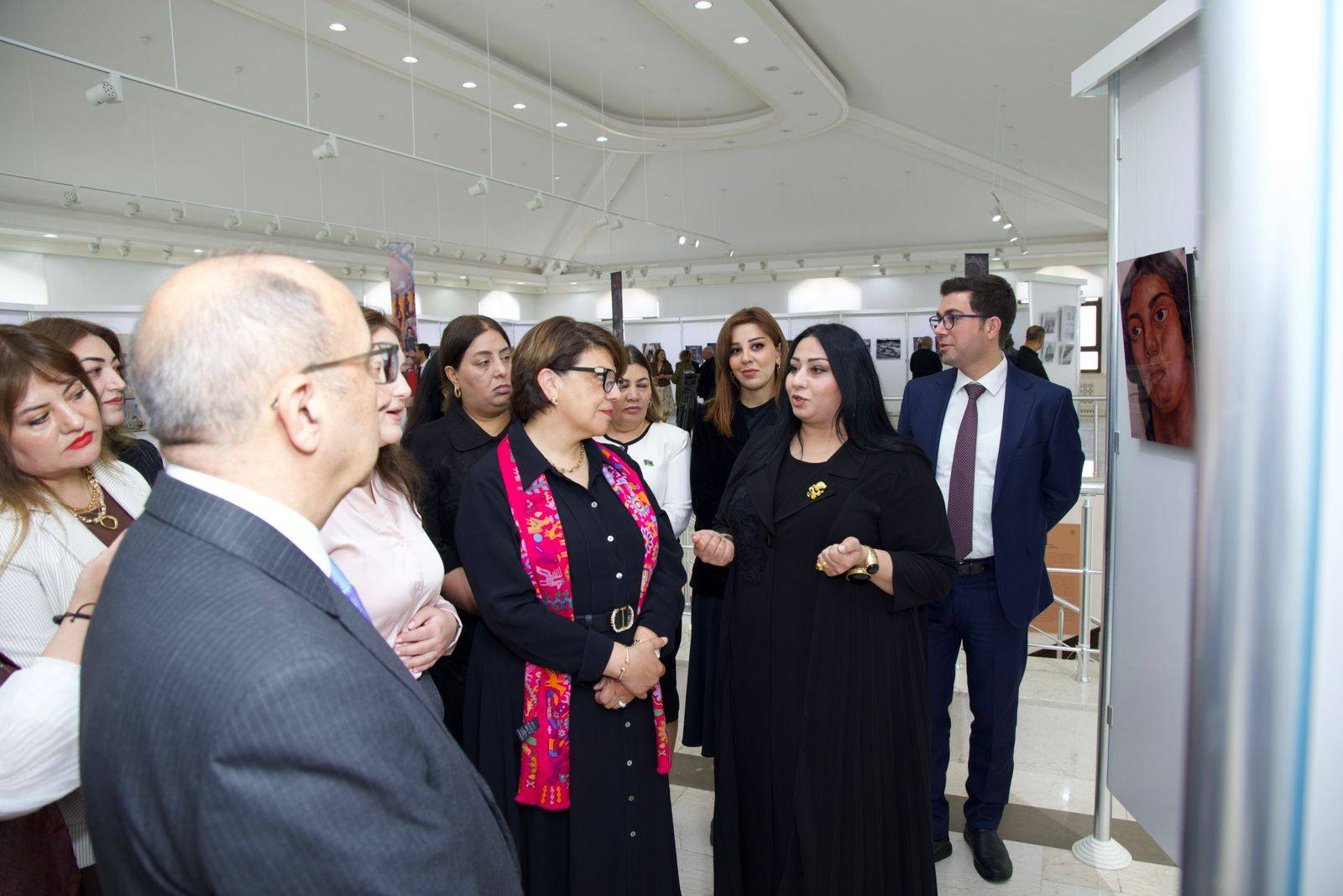
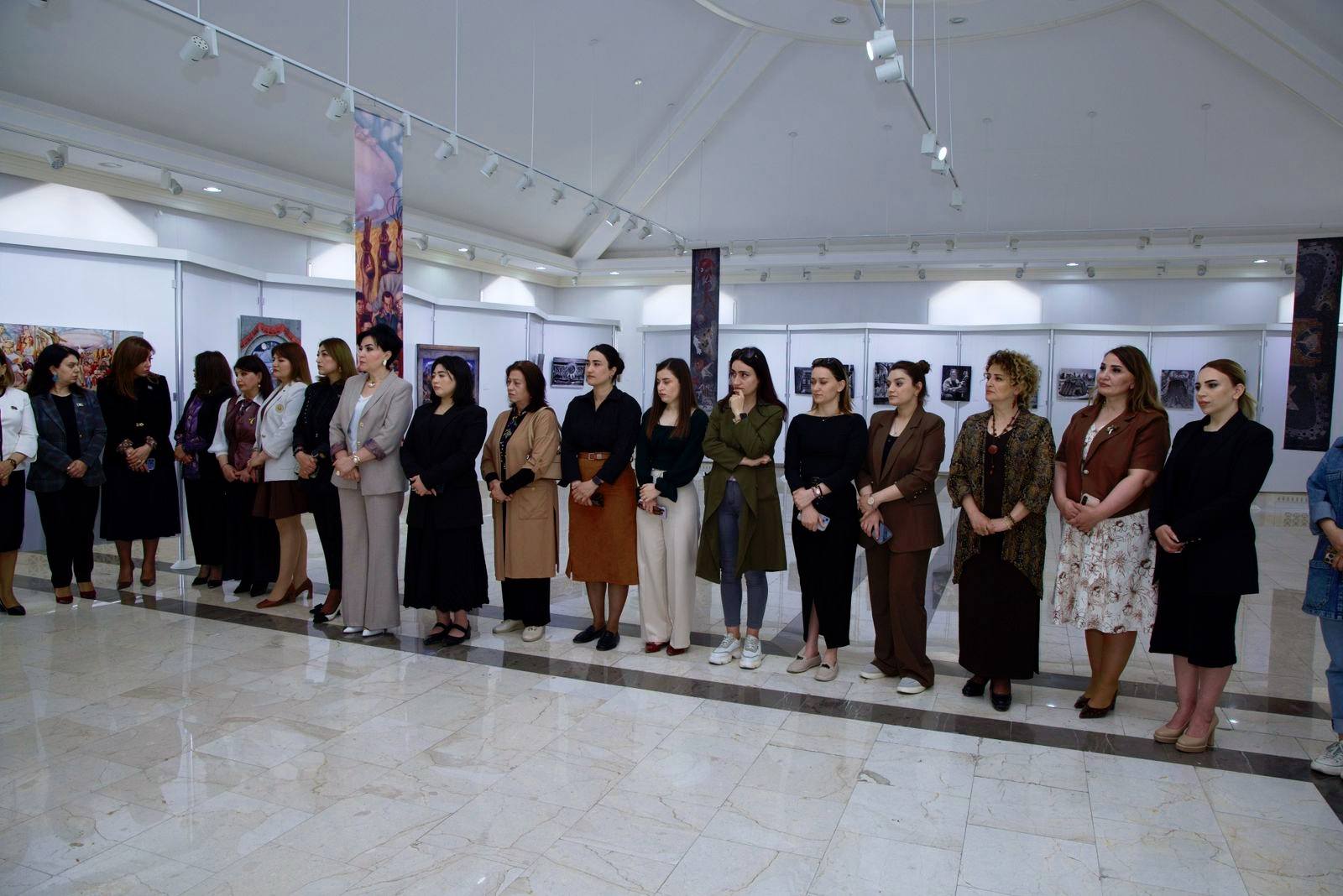
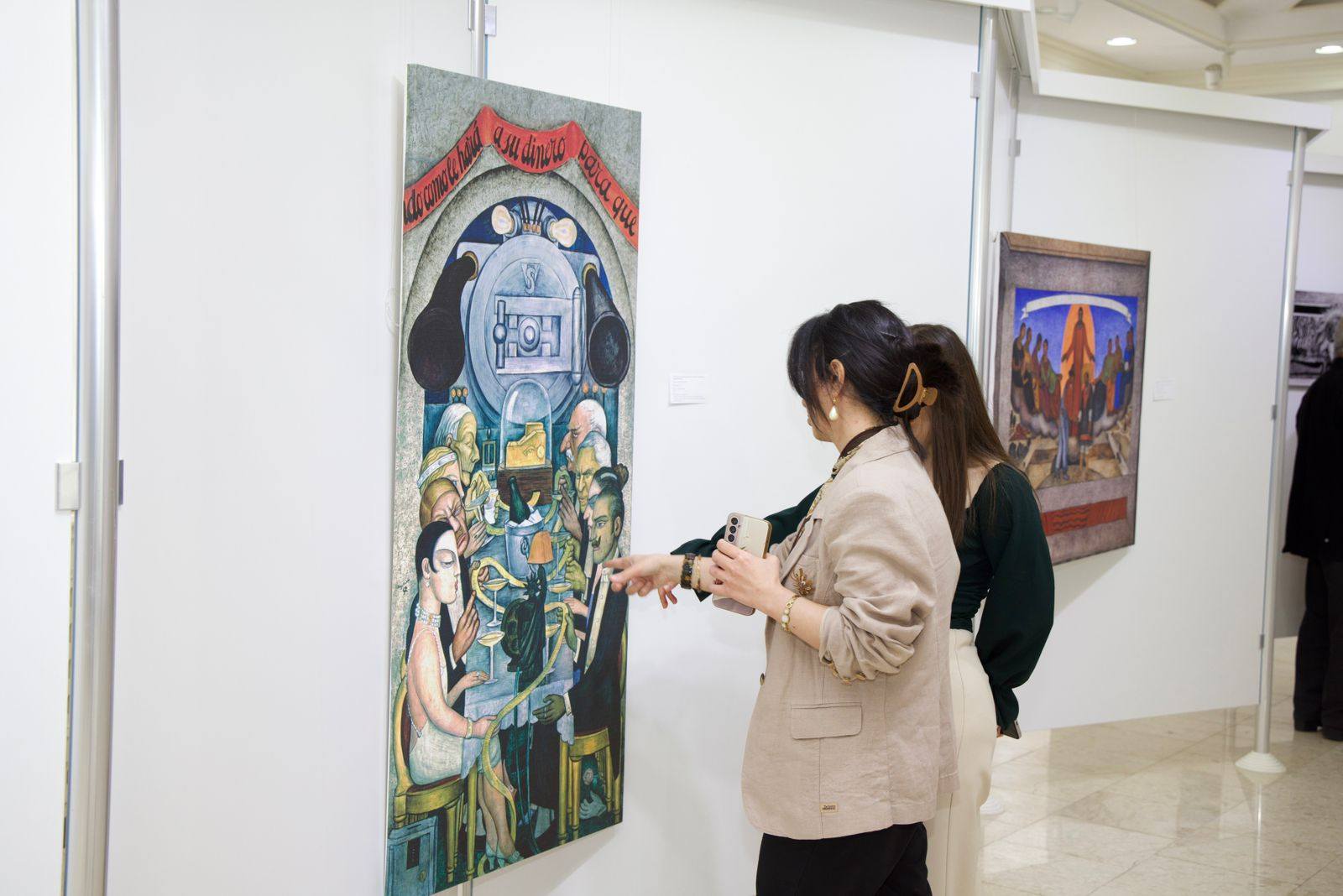
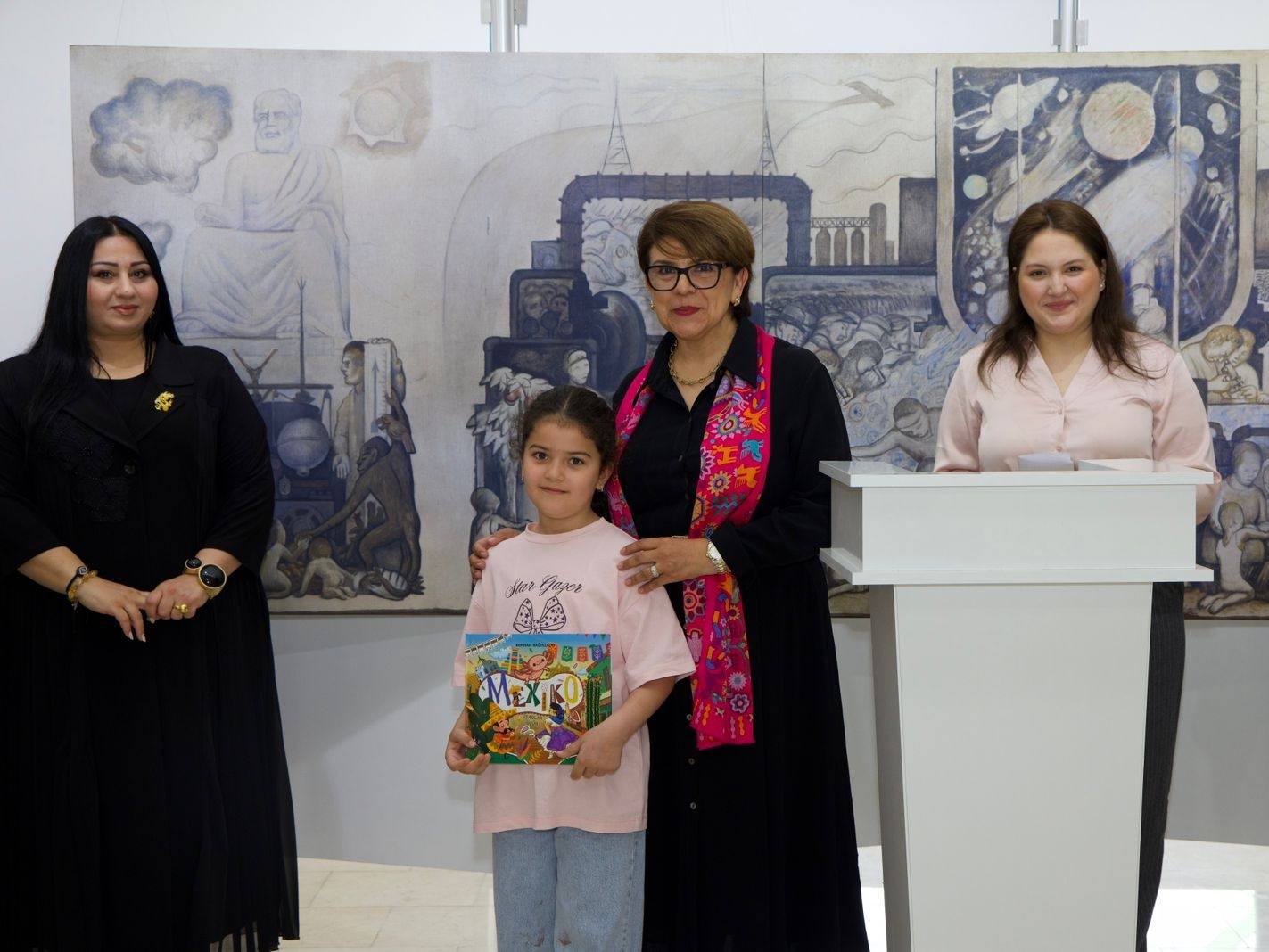
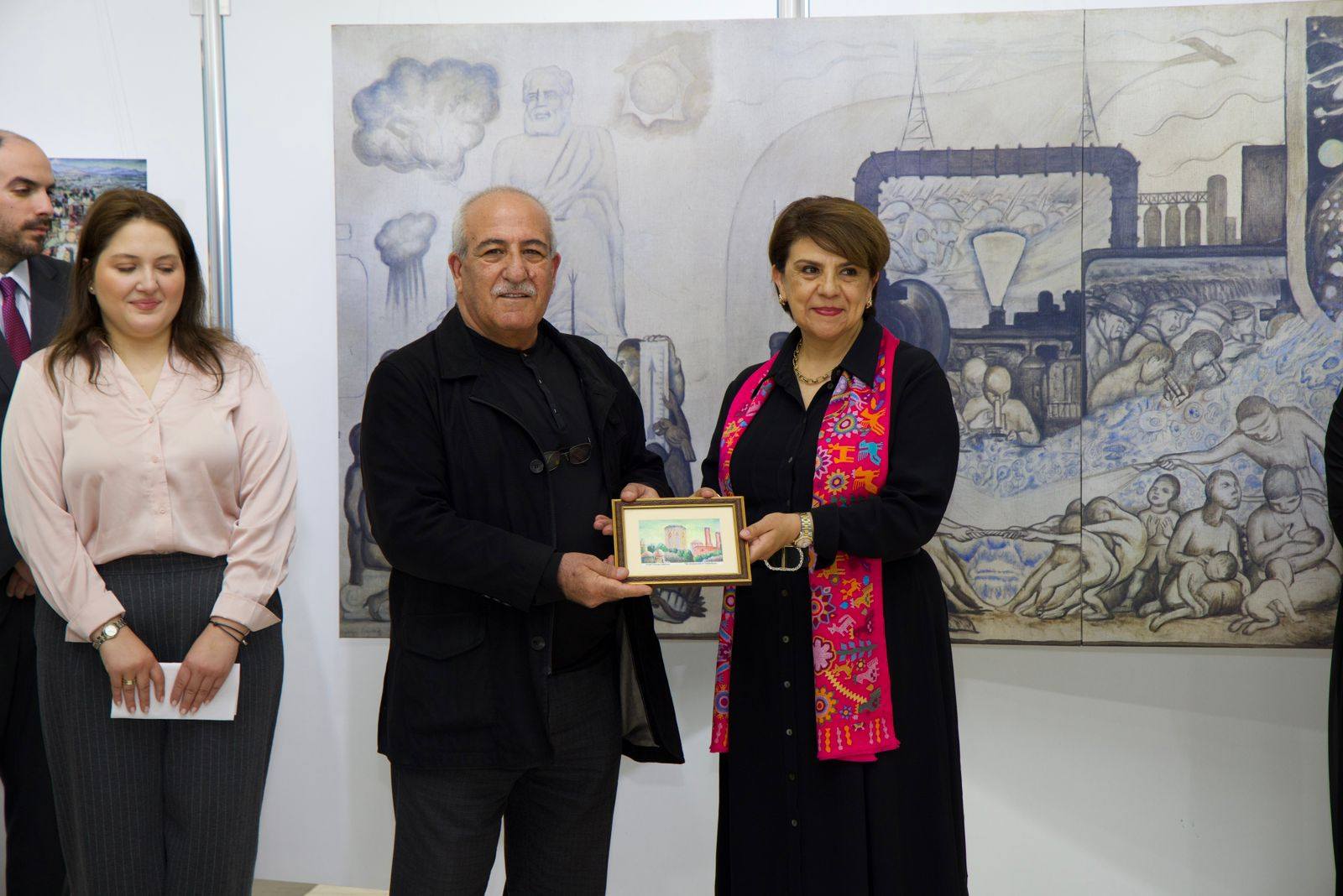
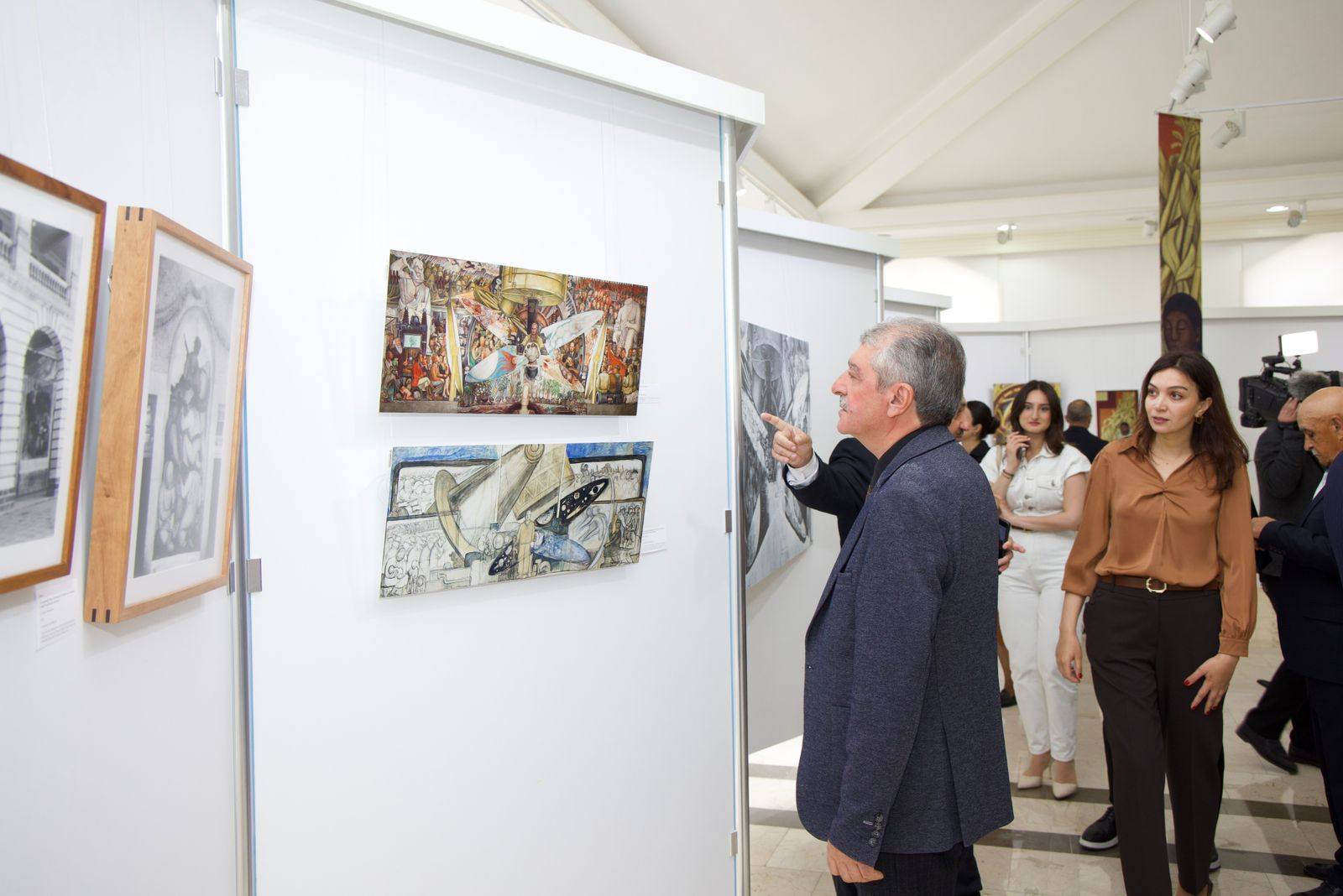
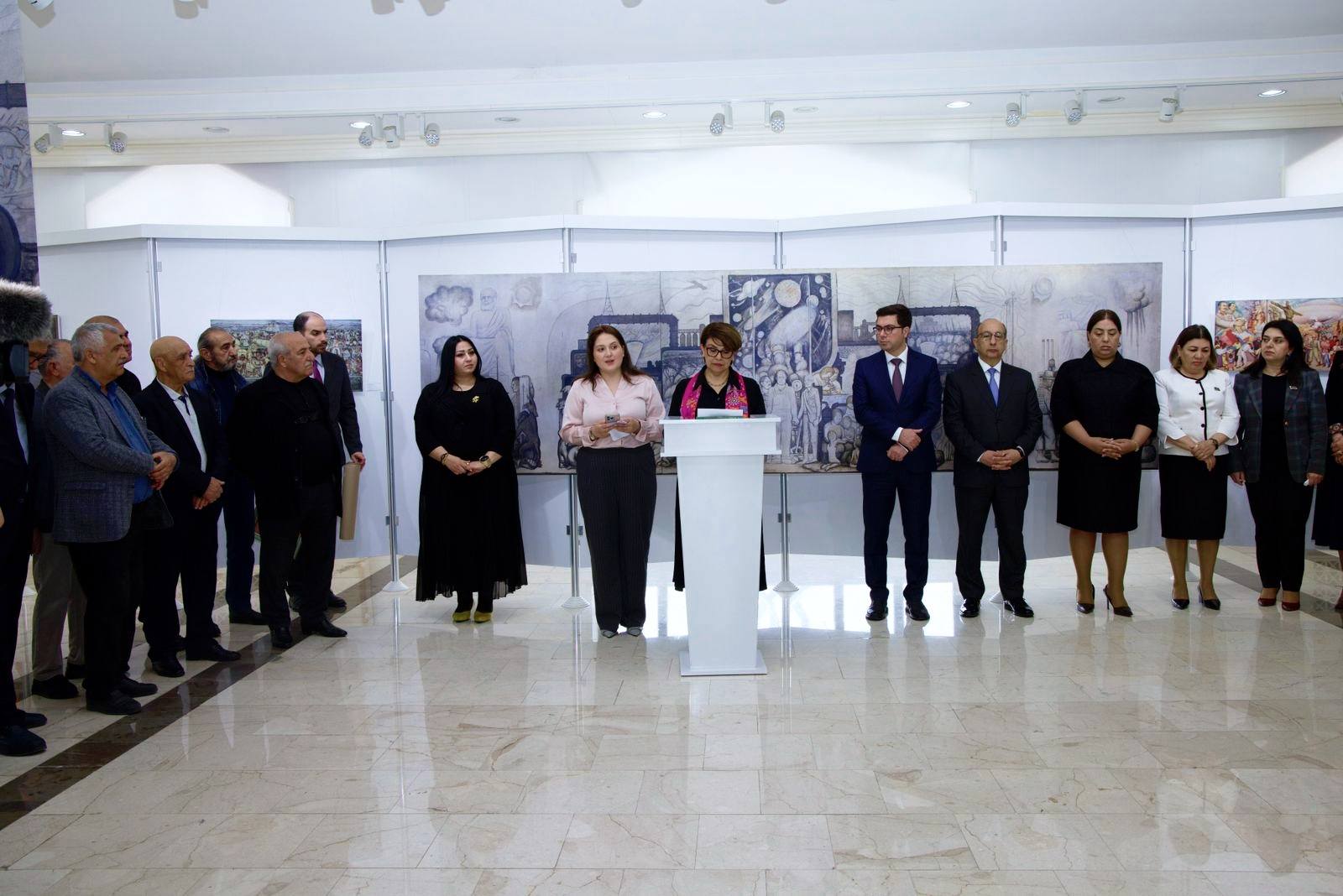
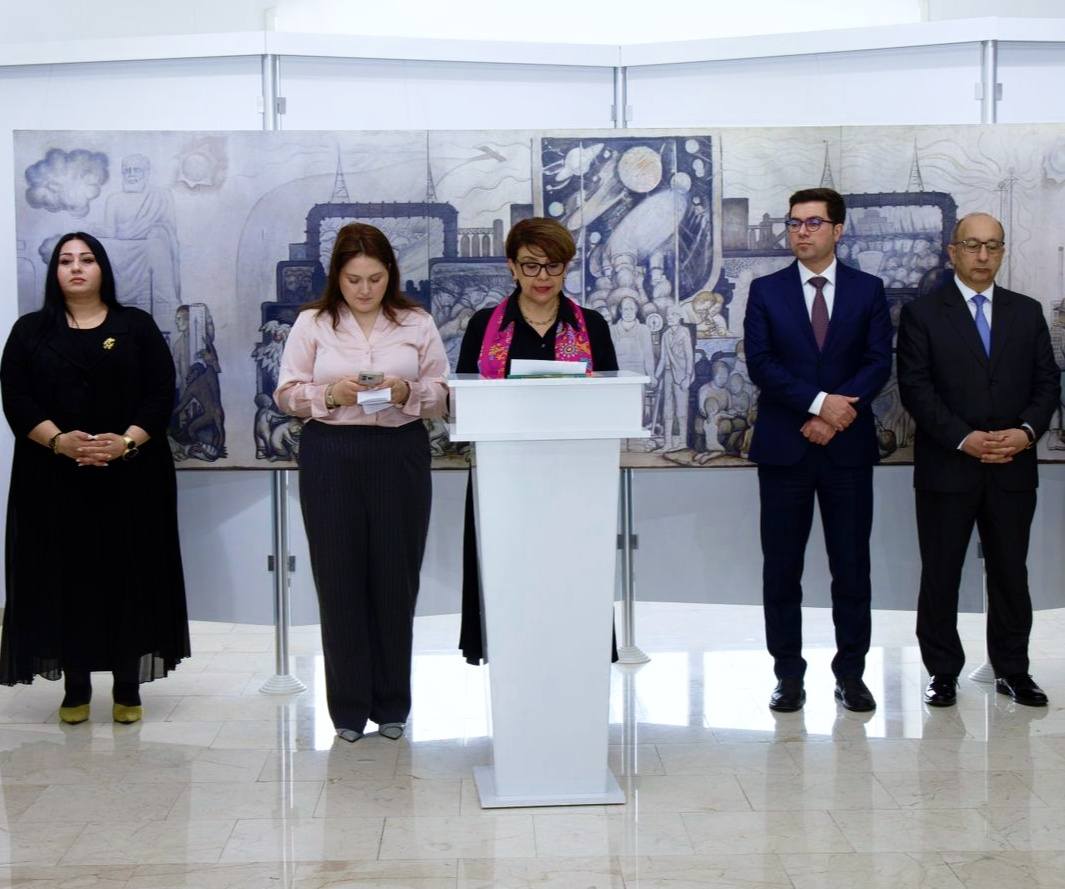
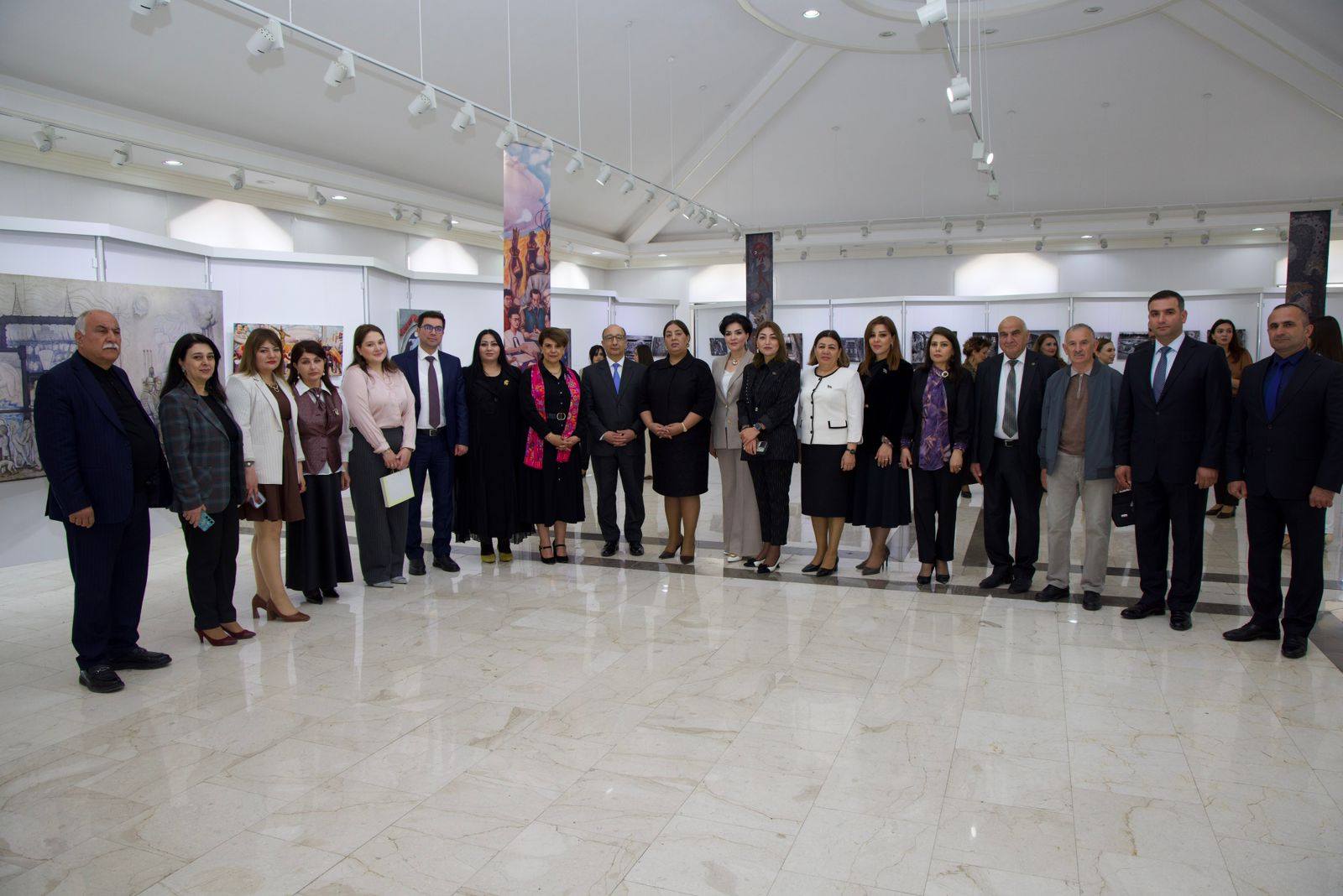
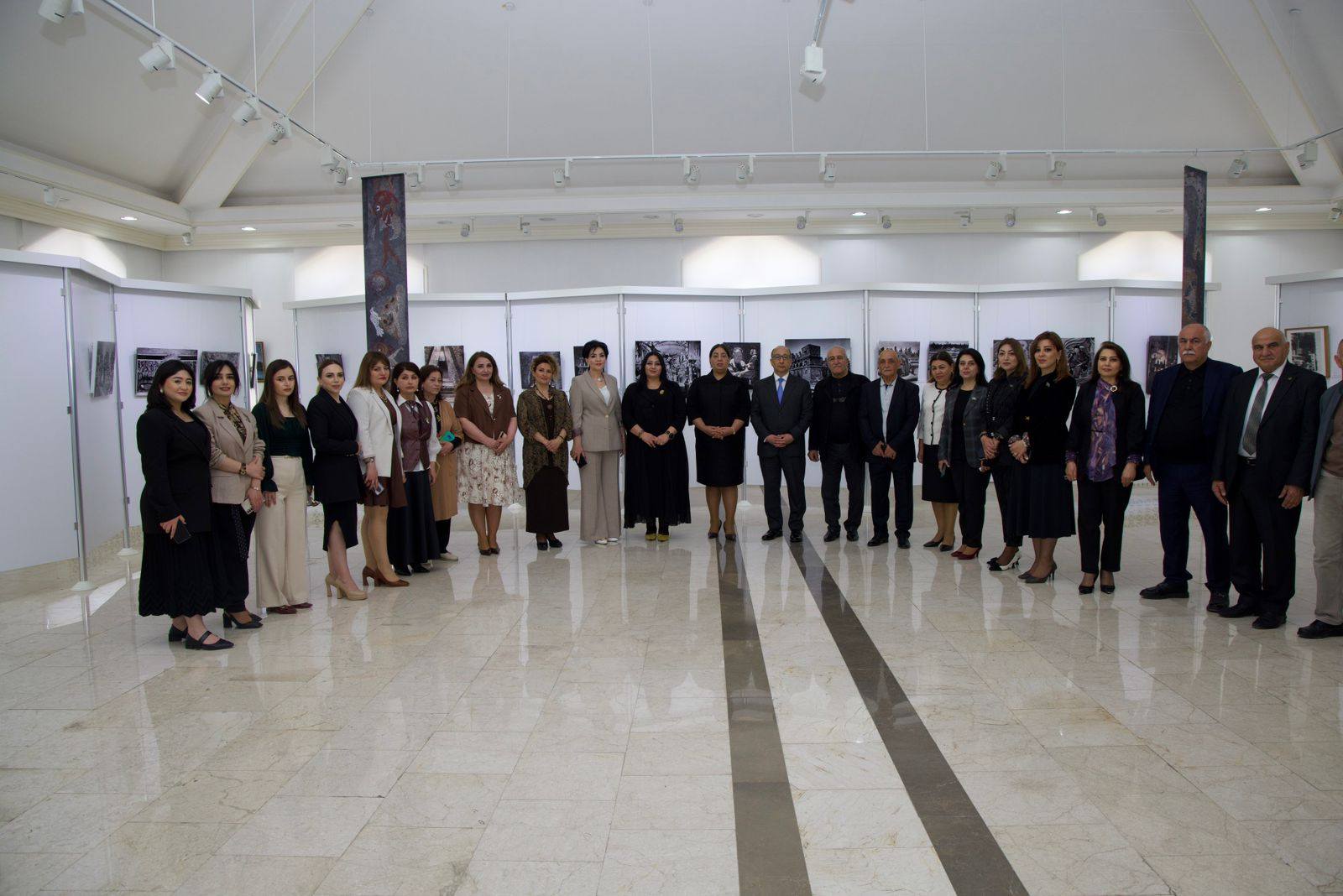
April 25 - An exhibition of photo reproductions of works by the outstanding artist Diego Rivera, housed in the museum, was opened in cooperation with the Diego Rivera Museum, the Embassy of Mexico in Azerbaijan, and the Nakhchivan Artists' Union.
The exhibition was called "DiEGO: The Promise of a Better Future".
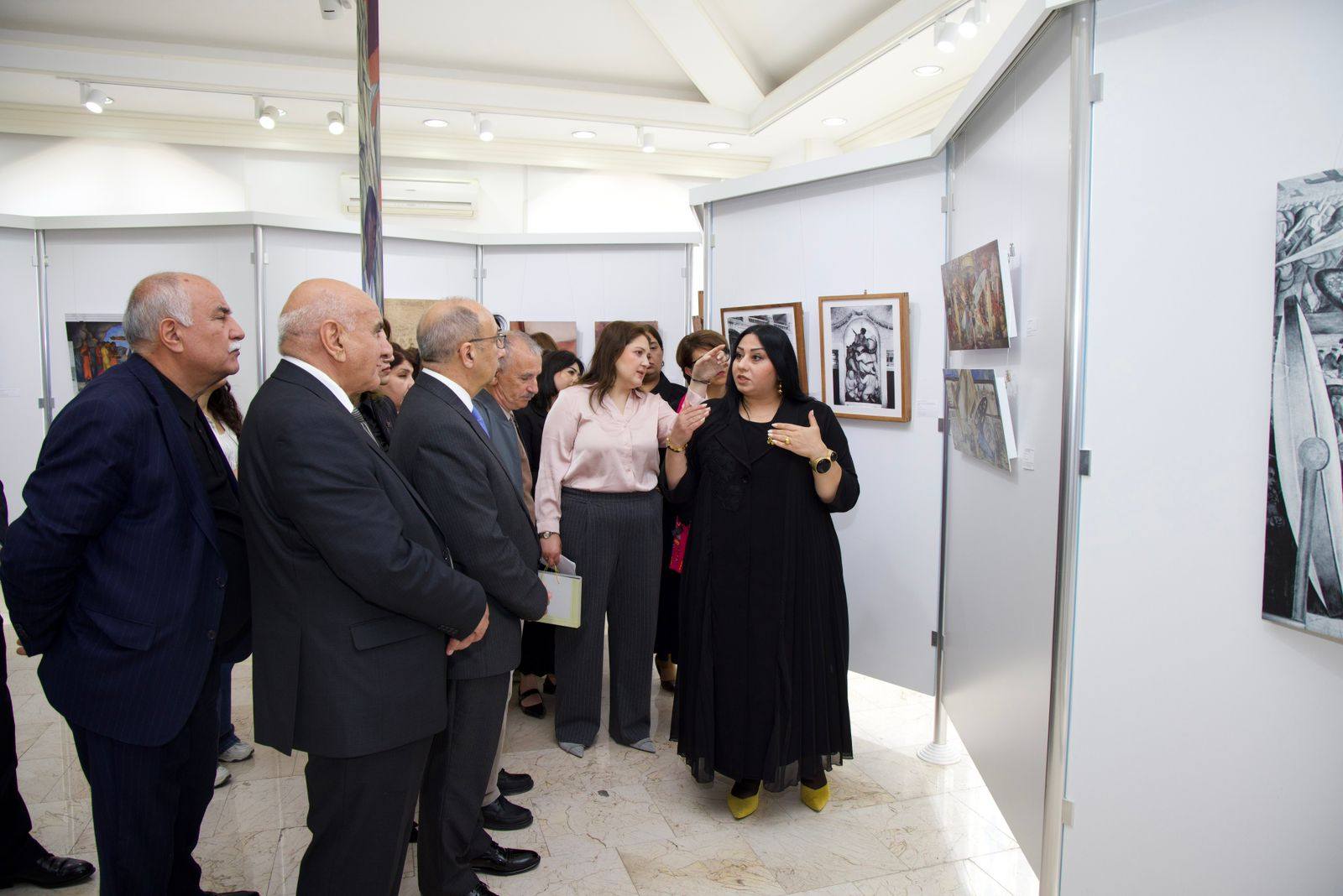
The presentation of the exhibition and information about the artist was made by Ulviyya Hamzayeva, Chairman of the Artists' Union of the Nakhchivan Autonomous Republic, Honored Artist, and Member of the Milli Majlis of Azerbaijan.
Then, Ms. Victoria Romero, Ambassador of the United States of Mexico to Azerbaijan, delivered her speech.
After the speech, the exhibition was viewed and a discussion was held with intellectuals.
The exhibition was attended by: MPs, NGOs, members of the state and government, artists, youth, and residents of Nakhchivan.
Ulviyya Hamzayeva:
I would like to note that in the development of our national culture. Great Leader Heydar Aliyev has an irreplaceable role, and this place where we are gathered today functions thanks to the Nakhchivan artists who appealed to our Leader in 1971. The Artists' Union, which was established as an organization, today gathers more than 60 members around it. Among them are those who represent us worthily in foreign countries. Today, the Bahruz Kangarli exhibition hall of the Artists' Union has become a venue for many prestigious exhibitions. International festivals and exhibitions play an important role in promoting not only our artists, but also our native land.
As in other areas in Azerbaijan, we can see great attention and care from the head of the country to the field of painting. Today, Azerbaijan has become a platform for cultural art at every level, both political and economic.
Today, Azerbaijan, which celebrates its victory, is the home of many festivals, the most prestigious of which are the festivals held in the city of Shusha and other cultural projects in accordance with the concept of Return to Western Azerbaijan.
Azerbaijan is a multicultural and friendly country. True to its word, confident in its steps. Therefore, today Azerbaijan uses all opportunities to maintain stability in the region.
Both diplomatic and interparliamentary relations between the Republic of Azerbaijan and the United Mexican States continue at the highest level.
As a member of the Culture Committee of the Milli Majlis of the Republic of Azerbaijan and the Interparliamentary Friendship Group, I would like to note that during the service of Mrs. Victoria Romero, great attention has been paid to many areas, especially to the field of culture. "Culture - especially art - unites people, the language of art is understandable and magnificent even if you do not know a foreign language".
Today's Mexico, with its ancient history and roots dating back to the "Incas", is one of the countries that supports Azerbaijan.
Once again, we welcome you to our beautiful land.
The name given to him at birth was very long: Diego María de la Concepción Juan Nepomuceno Estanislao de la Rivera Barrientos Acosta Rodríguez. Later he became known simply as Diego Rivera - a Mexican painter, monumentalist and left-wing political figure. He was born on December 8, 1886 in Mexico.
From 1896 to 1902, Rivera studied drawing and painting at the Academia de San Carlos in Mexico. He later went to Spain on a scholarship. From 1907 to 1921, he lived in Europe. He first studied at the Madrid Academy, then lived and worked in Paris (1909–1920), Italy (1920–1921), and also visited Belgium, the Netherlands, and Great Britain. He was closely associated with the Parisian art scene, including Pablo Picasso and Alfonso Reyes. Rivera was influenced by both classical European art and modernism, especially cubism. At the same time, he was also attached to traditional Mexican art styles.
In 1922, Rivera joined the Mexican Communist Party. In 1927, he visited the USSR, and in 1928, he became one of the founders of the October Union.
In 1929, he married the famous artist Frida Kahlo. Their relationship was based on both art and shared communist views, and over time it became legendary. However, that same year, Rivera was expelled from the Mexican Communist Party and criticized for his "Trotskyist sympathies." He, in turn, was a harsh critic of the totalitarian features of socialist realism that dominated Soviet art.
Rivera argued that art should have both high aesthetic quality and be simple, clear, and powerful. He called himself a "partisan," saying that his weapons were walls, paint, and his creativity.
He worked in the United States from 1930 to 1934 and in the 1940s. From 1922, he became one of the main founders of the Mexican school of monumental painting, decorating the walls of numerous public buildings with frescoes. The main themes in his work were the folklore, customs, and revolutionary movement of the Mexican people.
In 1932–1933, he created the fresco "Man at the Crossroads" for the Rockefeller Center in New York. The work compared capitalism and socialism and featured an image of Lenin in the center. The client requested changes.